Global Citizenship Education in national curricula.
This webinar, co-developed with the Global Education Time (GET) project, is the third in the new ANGEL Research to Policy Webinar Series


An engaging workshop-type session where you’ll map your context, tackle real world dilemmas, and experience the Critical Friends model in action through collaborative mapping and engaging discussions.
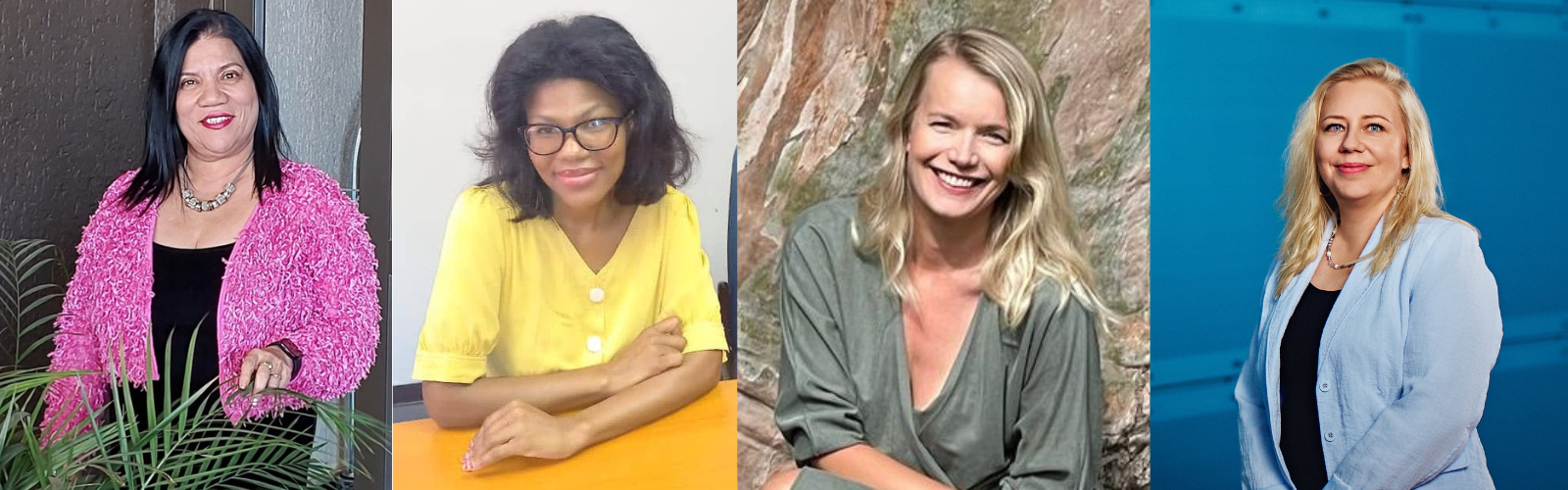
Join an international team of presenters and facilitators for an engaging session that explores the journey of becoming global critical friends in teacher education. We will share practical steps and insights from our collaborative work on addressing sustainability across diverse contexts.
Through dialogue and partnership between the University of Namibia and the University of Oulu (Finland), we aim to develop practices that endure beyond funding cycles—ensuring education remains sustainable in every sense. This interactive session explores what it takes to build and sustain these transformative communities of practice.
Step into a globally connected workshop where you’ll map your context, tackle real world dilemmas, and experience the Critical Friends model in action through collaborative mapping and engaging discussions.
Participants will leave inspired with new ideas and connections to help transform teacher education into a force for local and global sustainability and equity.
Researchers and practitioners interested in teacher education.
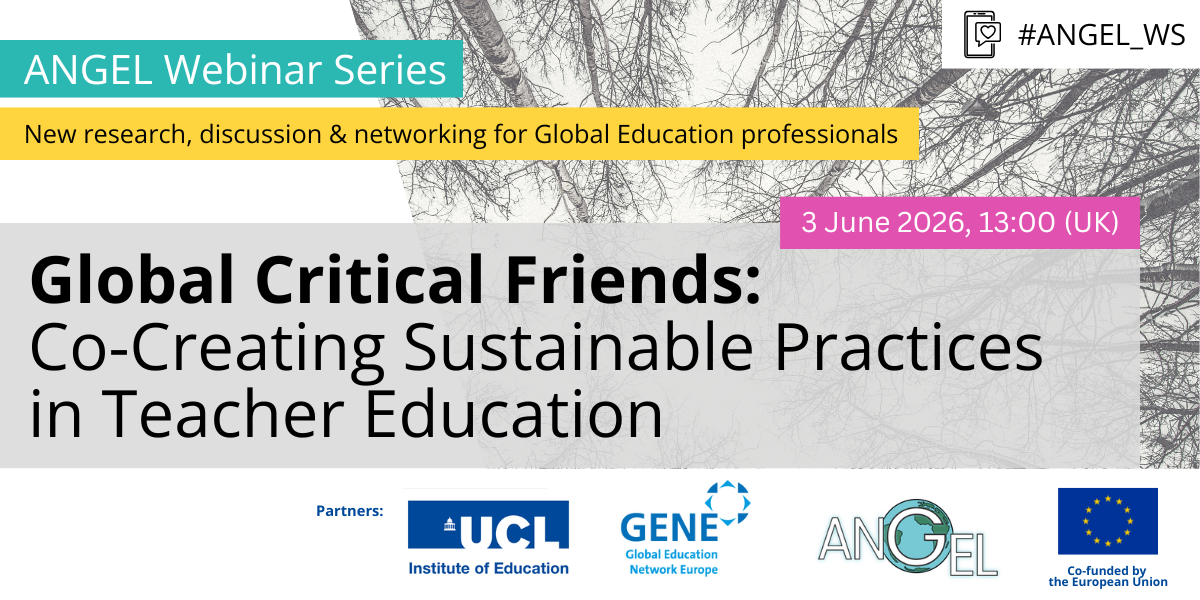
This event, to be held at 13:00 (UK) on the 3rd June 2026, will last around 90 minutes and will be hosted via Zoom. The event will be in English. Please register via Zoom using the button on this page. The event will be Chaired by La Salete Coelho, a member of the ANGEL advisory board.
This event is part of a series of online events run by the Academic Network for Global Education & Learning. The series is aimed at Global Education professionals, as well as anyone with an interest in research in the fields of Development Education, Global Citizenship Education, Human Rights Education, Education for Sustainable Development, Education for Peace, and Intercultural Education. This event, along with the other activities of the ANGEL network, is co-funded by the European Union.**
** The establishment of this network and website has been made possible with funding support from the European Commission. The activities and publications of the network are the responsibilities of the organisers, the Development Education Research Centre, and can in no way be seen as reflecting the views of the European Commission.
We are looking for ideas from the ANGEL community for events during the 2025/26 academic year.
Carousel image attribution: "panoramio (2525)" by William “Patrick” Ma. Under CC 3.0
The establishment of this network and website has been made possible with funding support from the European Commission.
The activities and publications of the network are the responsibilities of the organisers, the Development Education Research Centre, and can in no way be seen as reflecting the views of the European Commission.