Global Citizenship Education in national curricula.
This webinar, co-developed with the Global Education Time (GET) project, is the third in the new ANGEL Research to Policy Webinar Series


The Academic Network for Global Education & Learning (ANGEL), in partnership with The University of Bologna, and with the cooperation of Global Education Network Europe and the UCL Institute of Education, will host our sixth international conference on 10 & 11th September 2026, at The University of Bologna, Italy.
Registration is open now. Please read the Fees & Registration section of this page for more information and links.
Offering a mixture of plenary sessions, workshops, symposia, paper presentations, and networking, the event aims to bring together academics, researchers, policy-makers, and practitioner-researchers from around the world for two exciting face-to-face days of sessions covering research, projects and discussion relevant to the transformative approaches associated with Global Education and Learning, including Development Education, Global Citizenship Education, Human Rights Education, Education for Sustainable Development, Education for Peace, and Intercultural Education.
The 2026 conference carries a registration fee. Registration will open on the 28th May, and is available until the 3 September If you are interested in joining as a member before you register, you are very welcome to. Payment is taken via the same portal as the registration fees (UCL Online Shop). Find out about ANGEL membership here.
*ANGEL define an Early Career Researcher as a current PhD student or completed in the last 6 years.
In early 2026, ANGEL launched a call for proposals which demonstrated a connection or relevance to the conference concept, as listed above, and / or a connection with global education and learning, as defined in the ‘Dublin Declaration’. The call closed on 27 April, and we were delighted to receive more than 180 proposals, the vast majority of which were within scope. From this starting point, we have been able to construct a really exciting agenda that will include keynote addresses, roundtables and panels held in plenary, and then 35 parallel sessions (5 sessions with 7 strands each), of research presentations, symposia, and workshops. The conference language is primarily English.
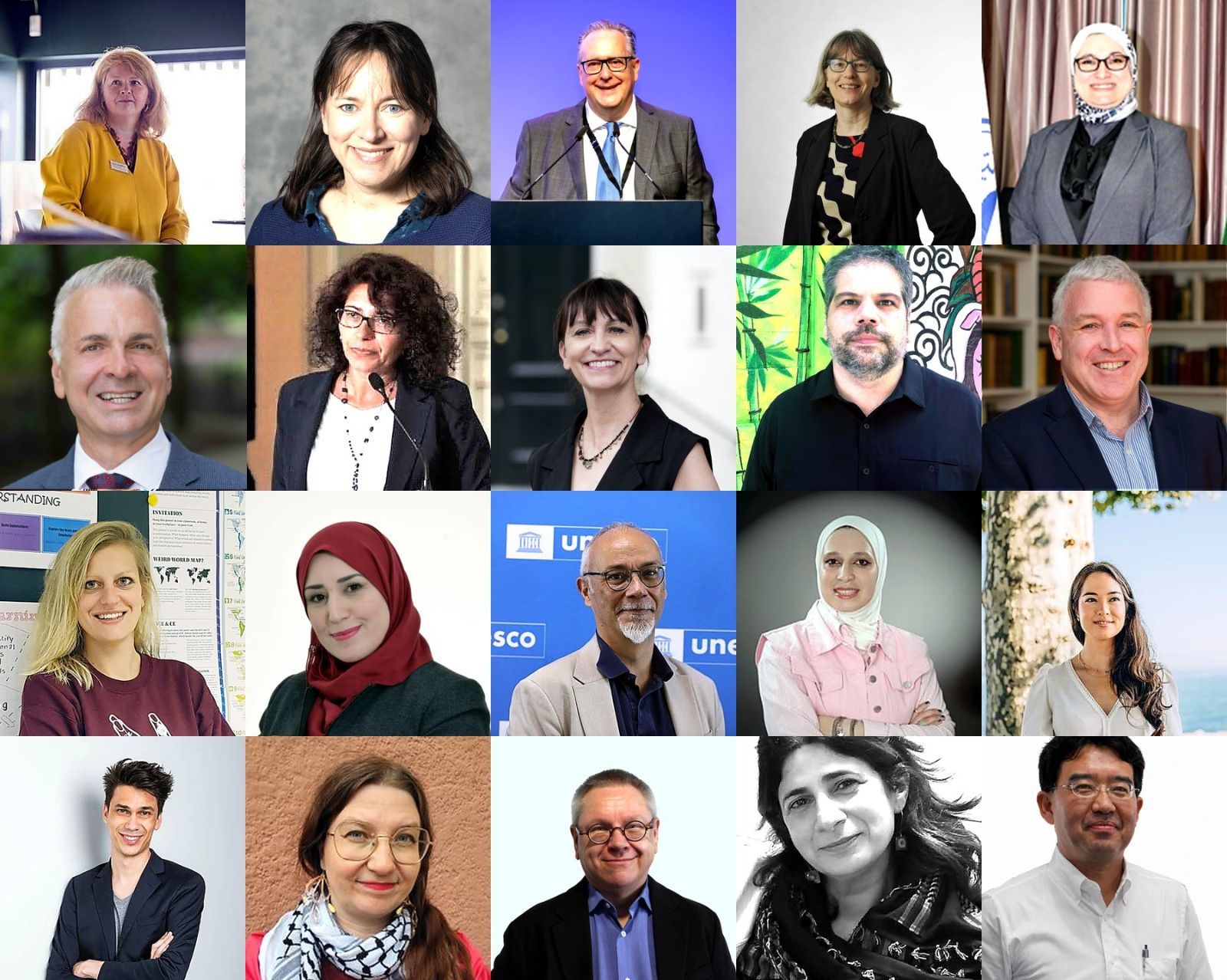
The conference's plenary session speakers represent the breadth of the Global Education community. With a carefully balanced mixture of sessions, we aim to bring our audience insightful analysis of the research landscape, and provide provocations and live discussion, as well as opportunities to actively participate in activities that aim to galvanise and energise the community.
The team of the UNESCO Chair in Global Citizenship Education at the University of Bologna will be our guides to arriving and staying within this beautiful city, home to the world's oldest university. Click here to download a document that offers a few accommodation suggestions for the duration of the conference - focusing on neighborhoods within easy reach of the venue - as well as travel tips.
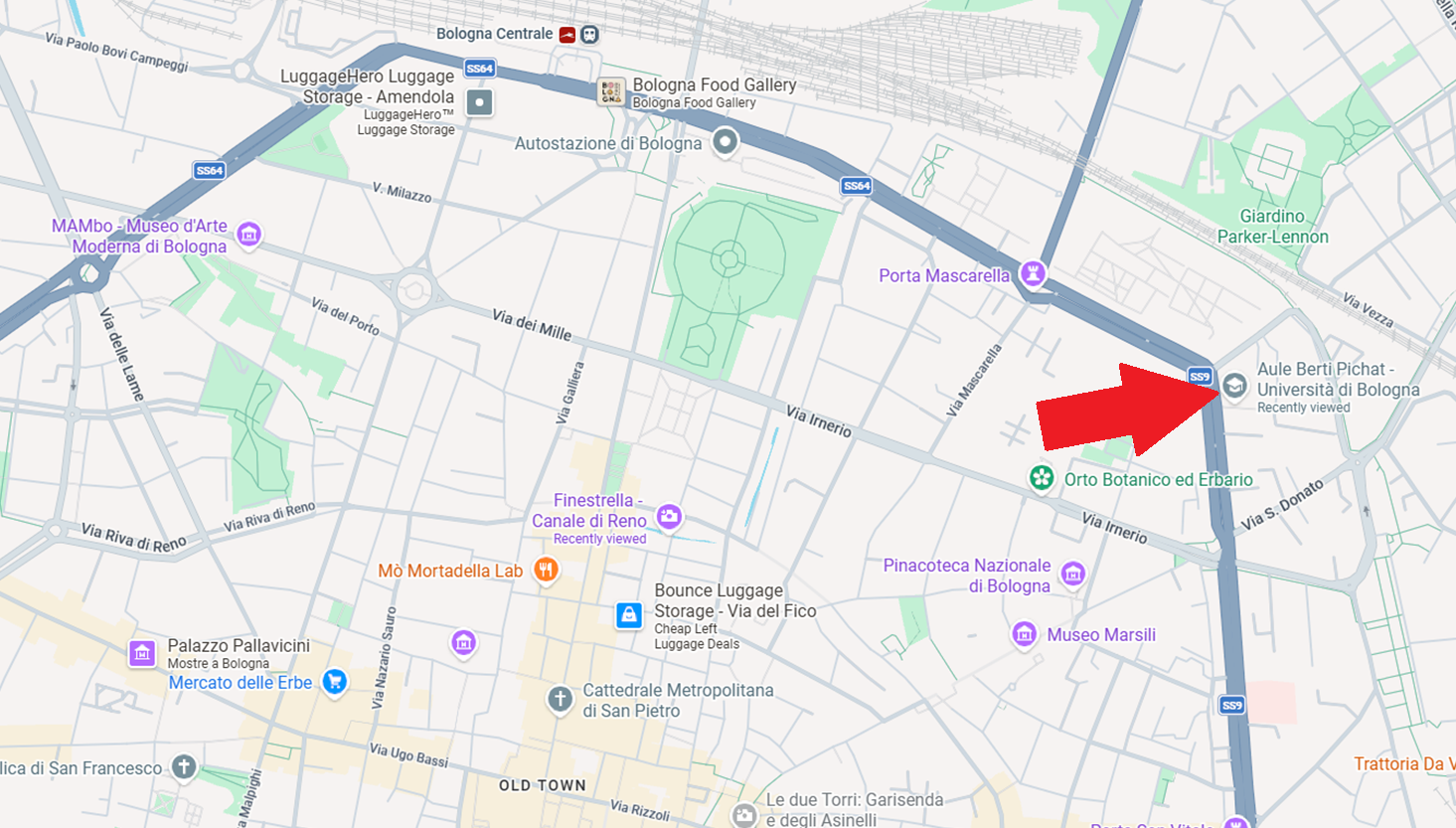
The event will be held at the Berti Pichat Classroom complex, Viale Carlo Berti Pichat, Bologna.
We are sorry that, as this conference is funded entirely by the community via modest fees, we are not able to provide lunch on site. You can access bakeries, restaurants, and shops just outside the site. You can access a list of these here. Coffee and refreshments are however provided, in the hallway outside Room C.
An optional social dinner will be held at Cantina Bentivoglio (Via Mascarella, 4/b, 40126 Bologna) at 20:00 on 10th September. This dinner is available to those who have booked in advance. If you have not yet booked, you must do so by 30 August to attend. Book here.
We are calling on members to help us spread the word about this important event for the ANGEL project. Please find below links to resources that you can use to promote the event and the call for submissions.
Any enquiries should be sent to: info@angel-network.net
The involvement of DERC and GENE in this event, along with the other activities of the ANGEL network, is co-funded by the European Union. The establishment of this network and website has been made possible with funding support from the European Commission. The activities and publications of the network are the responsibilities of the organisers, the Development Education Research Centre, and can in no way be seen as reflecting the views of the European Commission.
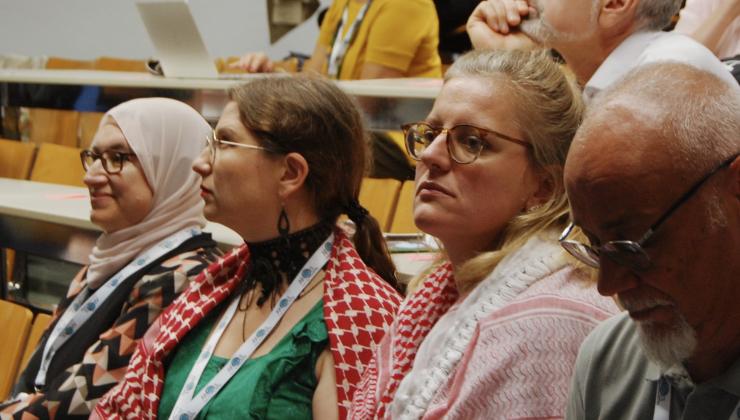
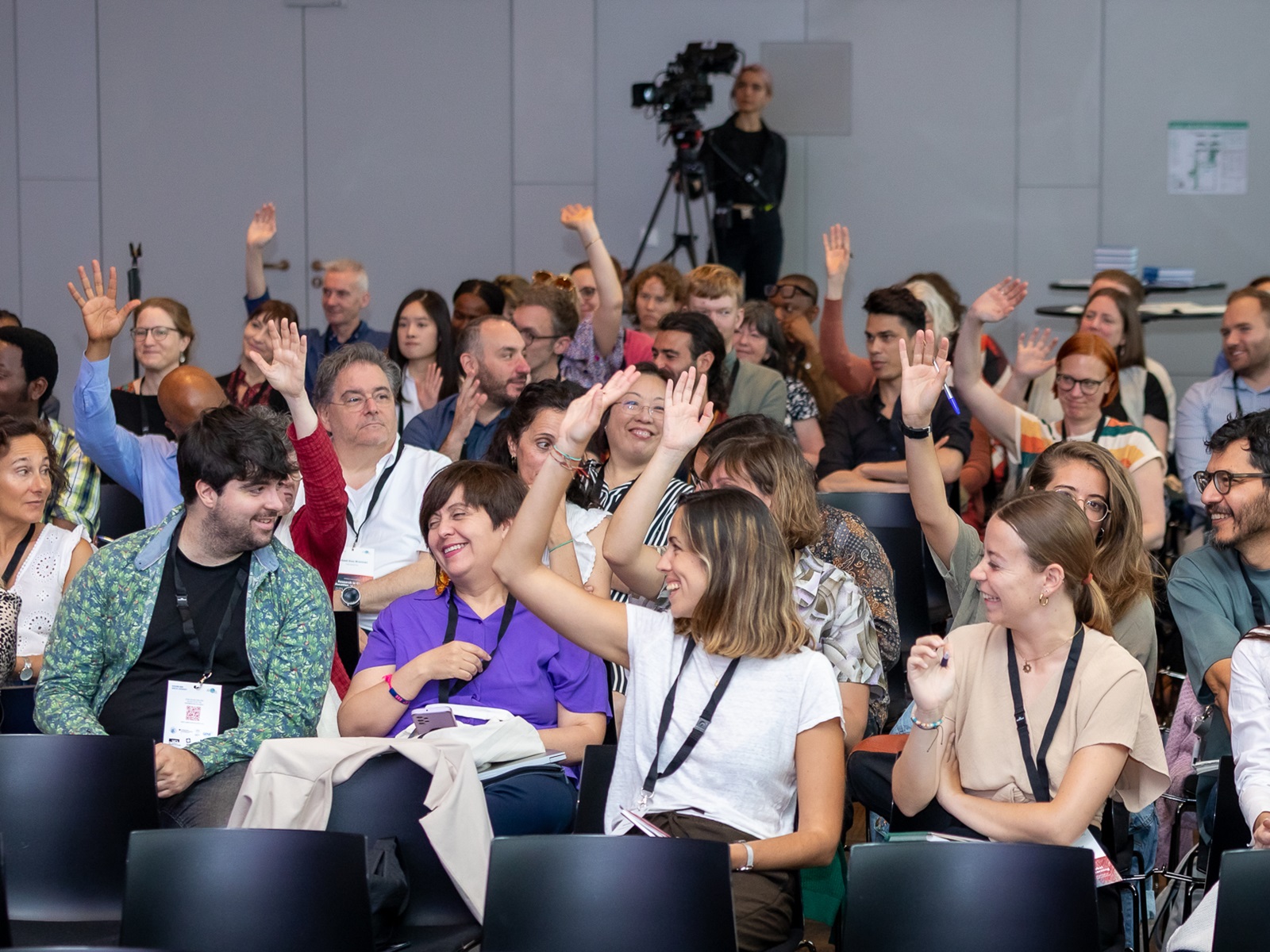
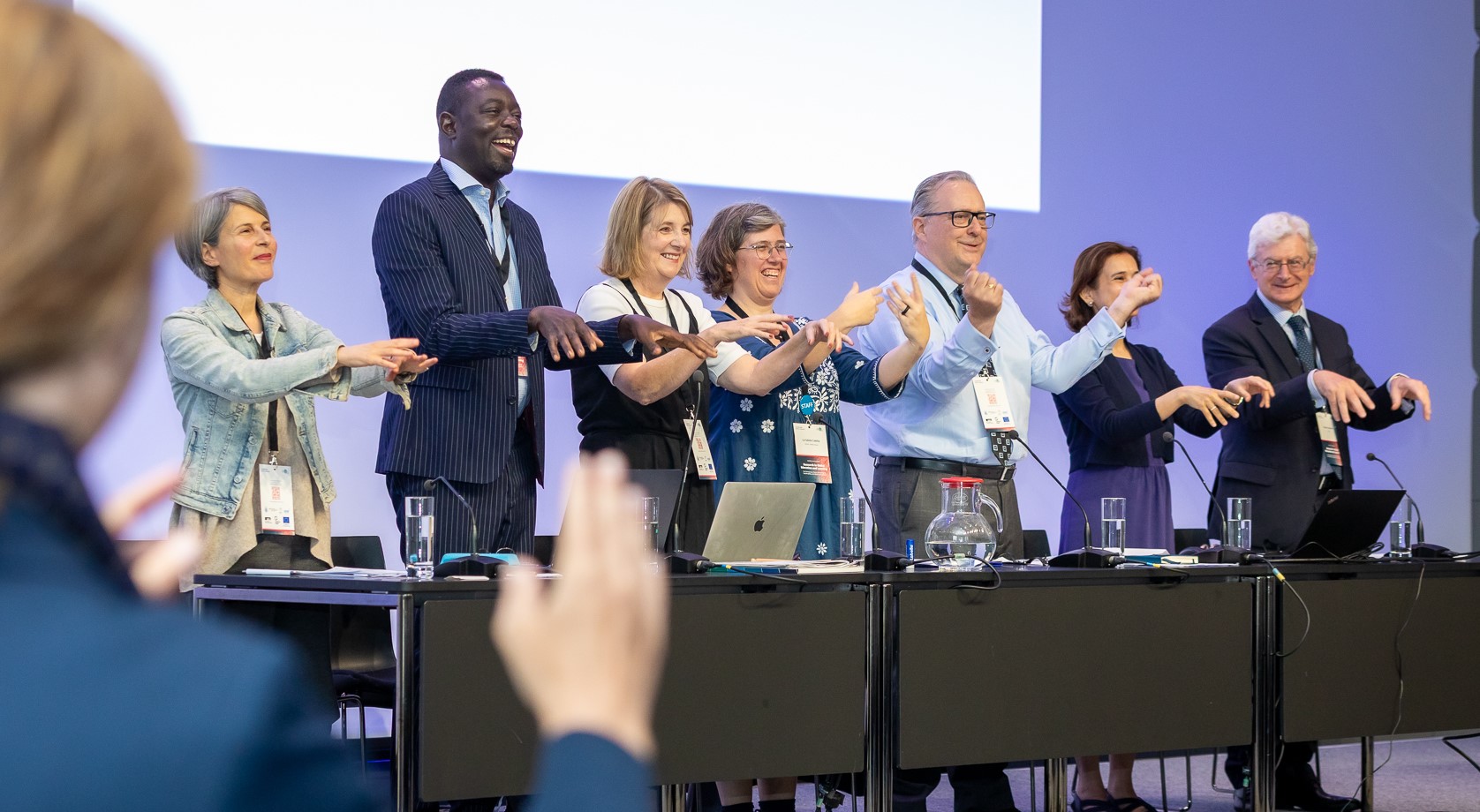
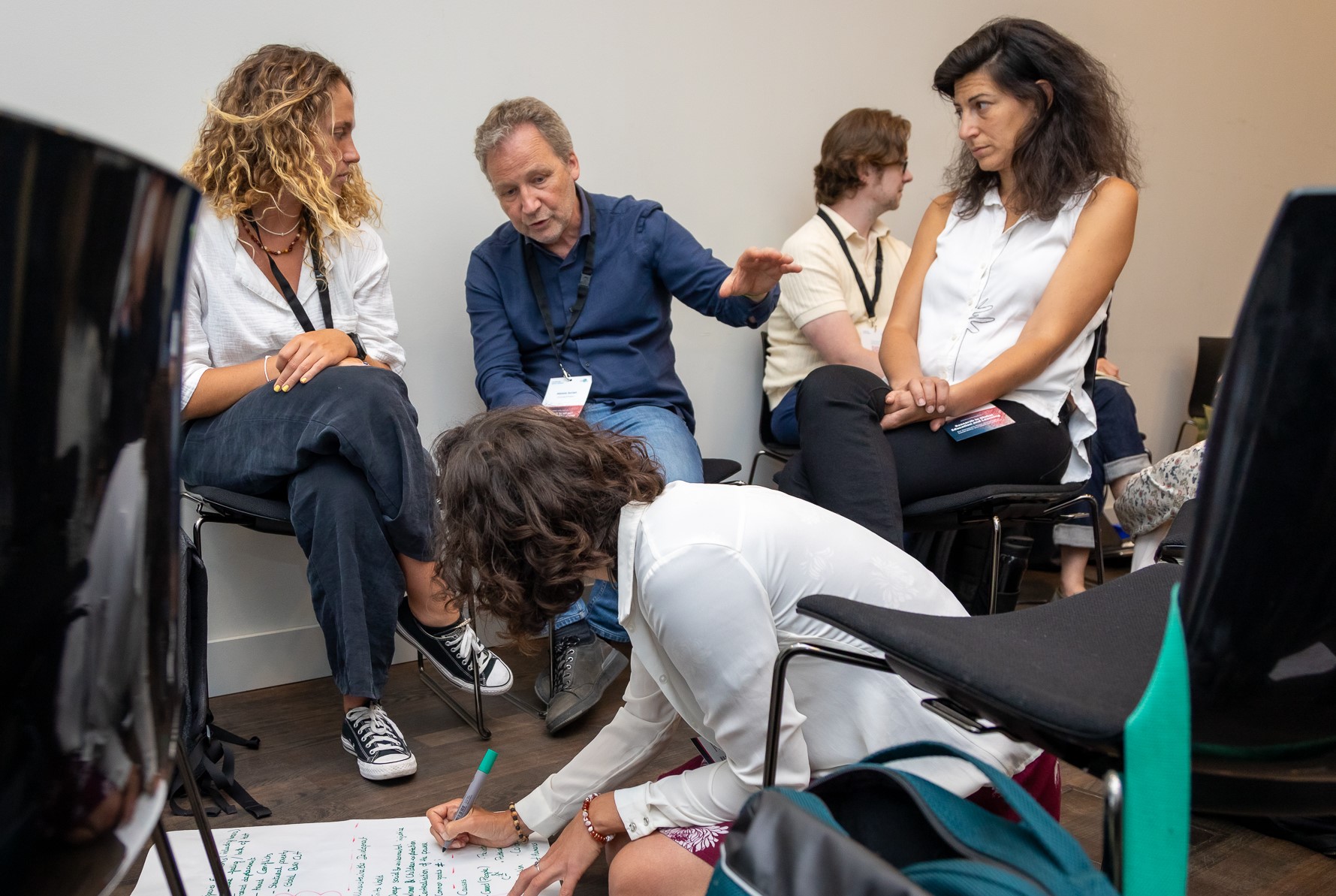
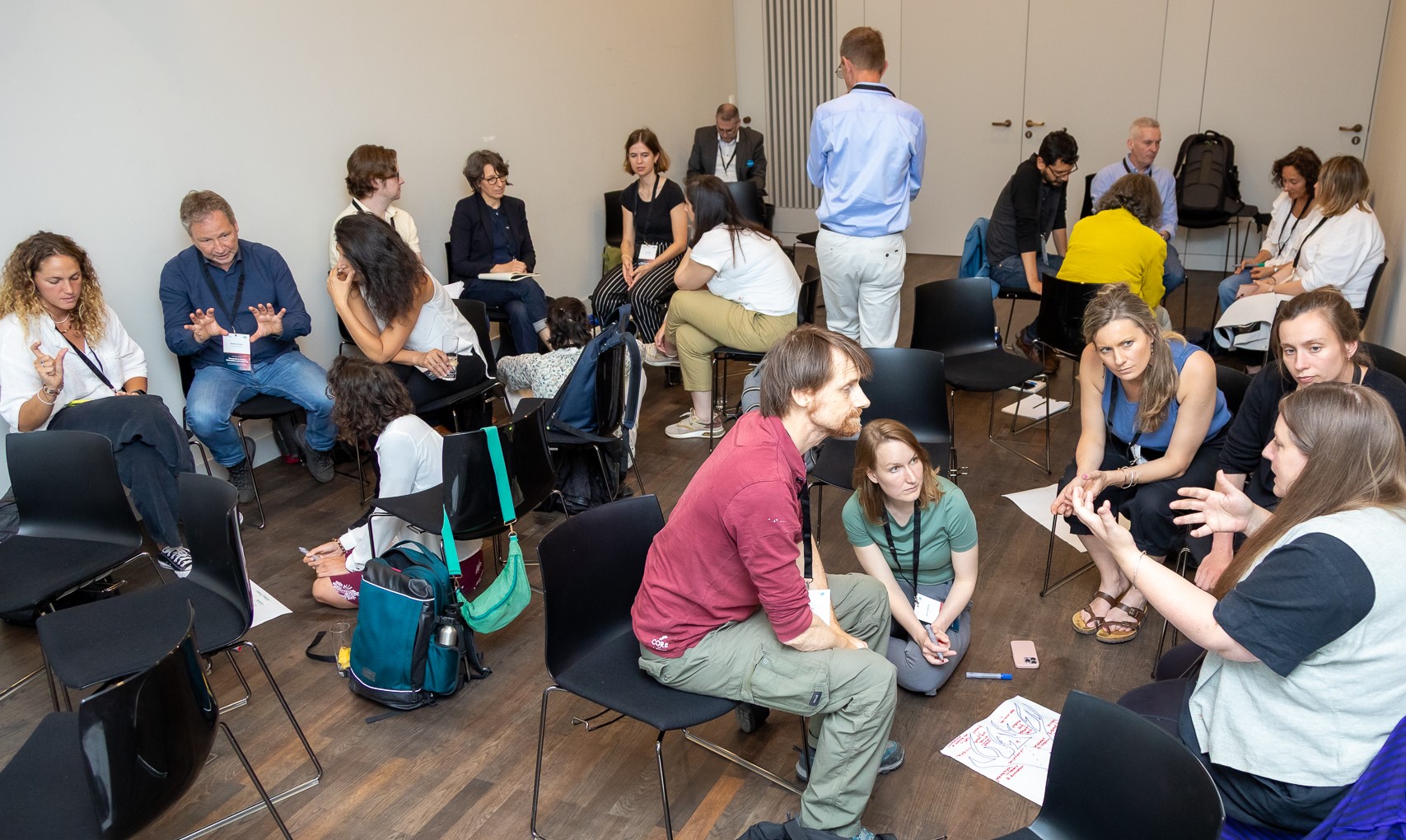
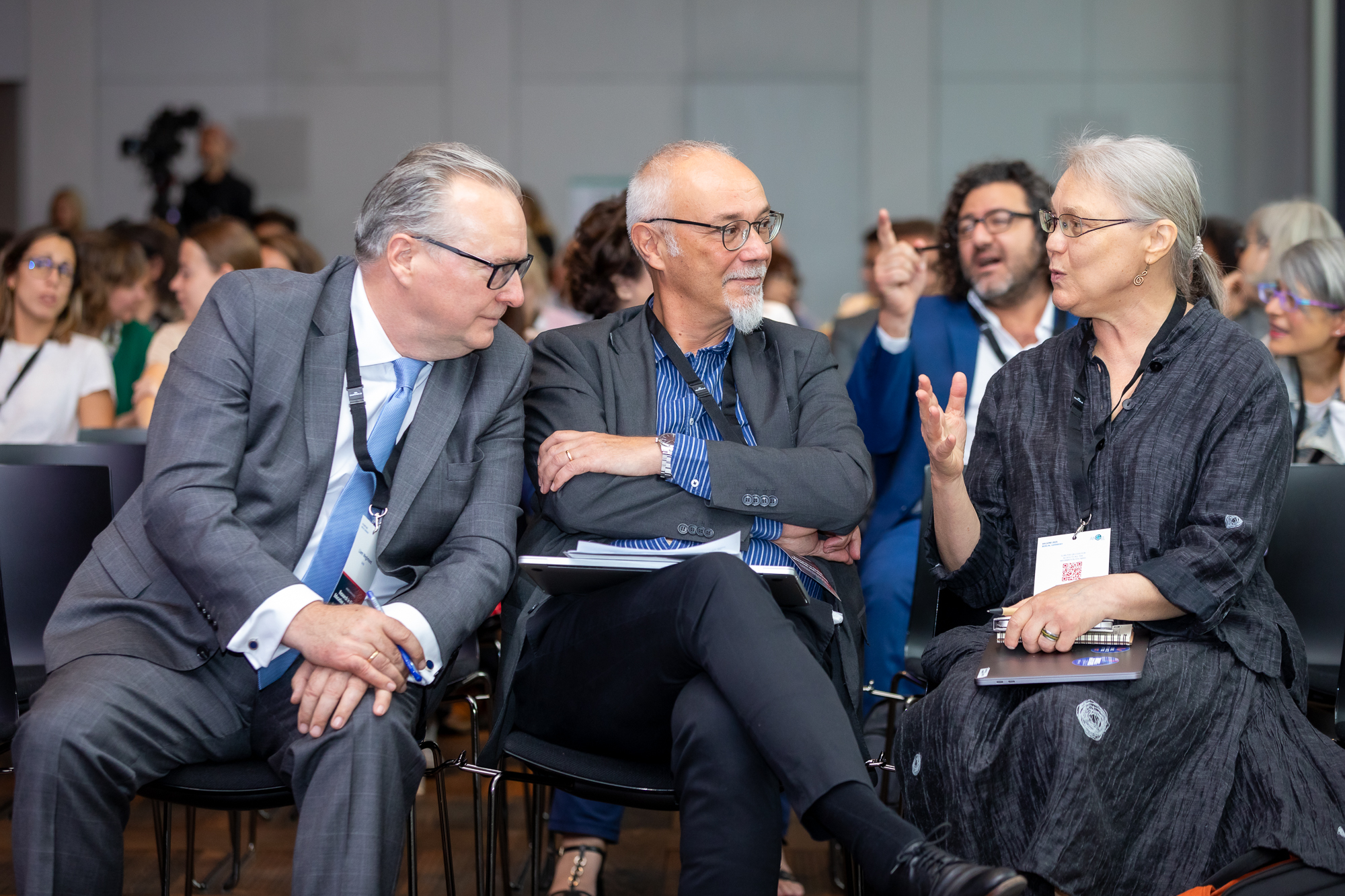
All photos: ANGEL Conference 2025: Concept Photography Berlin.
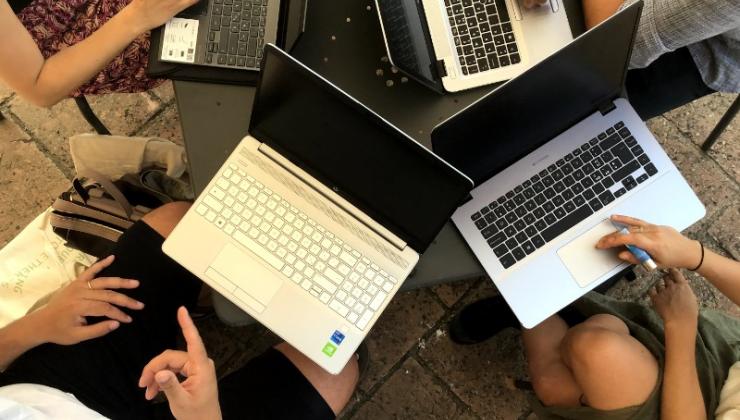
We are looking for ideas from the ANGEL community for events during the 2025/26 academic year.
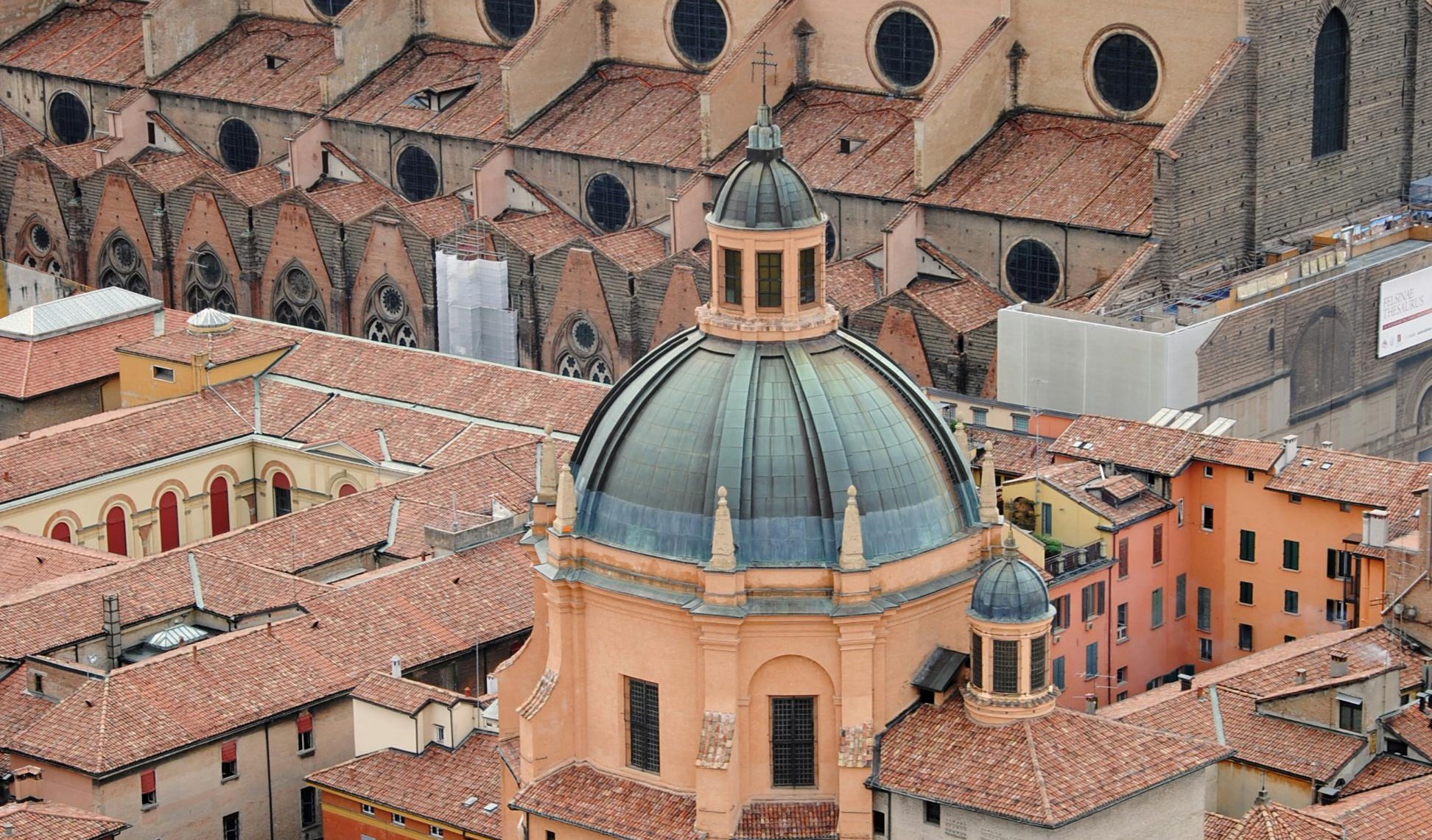
Carousel image attribution: "panoramio (2525)" by William “Patrick” Ma. Under CC 3.0
The establishment of this network and website has been made possible with funding support from the European Commission.
The activities and publications of the network are the responsibilities of the organisers, the Development Education Research Centre, and can in no way be seen as reflecting the views of the European Commission.